Hearing the words “oral surgery” can make your stomach drop, especially if you’re already nursing a sore jaw or a tooth that keeps flaring up. If you’ve been looking into Missoula oral surgery, it helps to know what oral surgery entails before you walk in, because most procedures are far more routine, and far more comfortable, than people picture.
At Big Sky Smiles and Sedation in Missoula, MT, oral surgery is part of how we treat damaged, impacted and missing teeth, with sedation and clear planning at every step. Here’s what you should know.
What Is Oral Surgery?
Oral surgery covers procedures that treat problems in the teeth, gums and jaw that a filling or cleaning can’t fix. That includes pulling a broken tooth, removing wisdom teeth, rebuilding bone and placing implants.
At Big Sky Smiles and Sedation, the focus is on two things patients care about most: staying comfortable and knowing exactly what’s going to happen before it does.
Common Oral Surgery Procedures
Tooth Extractions and Wisdom Teeth
Teeth sometimes need to come out because of deep decay, infection, a crack below the gumline or crowding. Wisdom teeth are a common one, especially when they’re stuck under the gum and causing pressure or swelling. Our team performs routine extractions and wisdom teeth removal with local anesthesia or deeper sedation, and you’ll go home with clear aftercare steps.
Dental Implants
Replacing missing teeth with dental implants rebuilds them from the root up, so the new tooth stays put and looks natural. Our office uses Yomi robotic guidance to help place implants precisely, and bone grafting can prepare the jaw when the bone is too thin.
Corrective Jaw Surgery
Corrective jaw surgery treats jaws that don’t line up, which can cause chronic jaw pain, trouble chewing or bite problems that braces alone can’t fix. It’s usually done by an oral and maxillofacial surgeon. If your jaw is part of the problem, we’ll talk through your options and help you find the right next step.
Signs You May Need Oral Surgery
Ongoing pain is the most common clue that Missoula oral surgery may be needed. Other signs: jaw pain that won’t let up, trouble chewing, swelling near a back tooth, infections that keep coming back, or a tooth too broken to repair. If you’ve been taking ibuprofen every day to get through, it’s time to get it checked.
What Happens During the Oral Surgery Process
Consultation and Evaluation
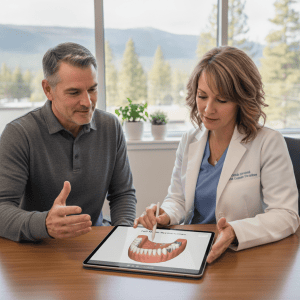
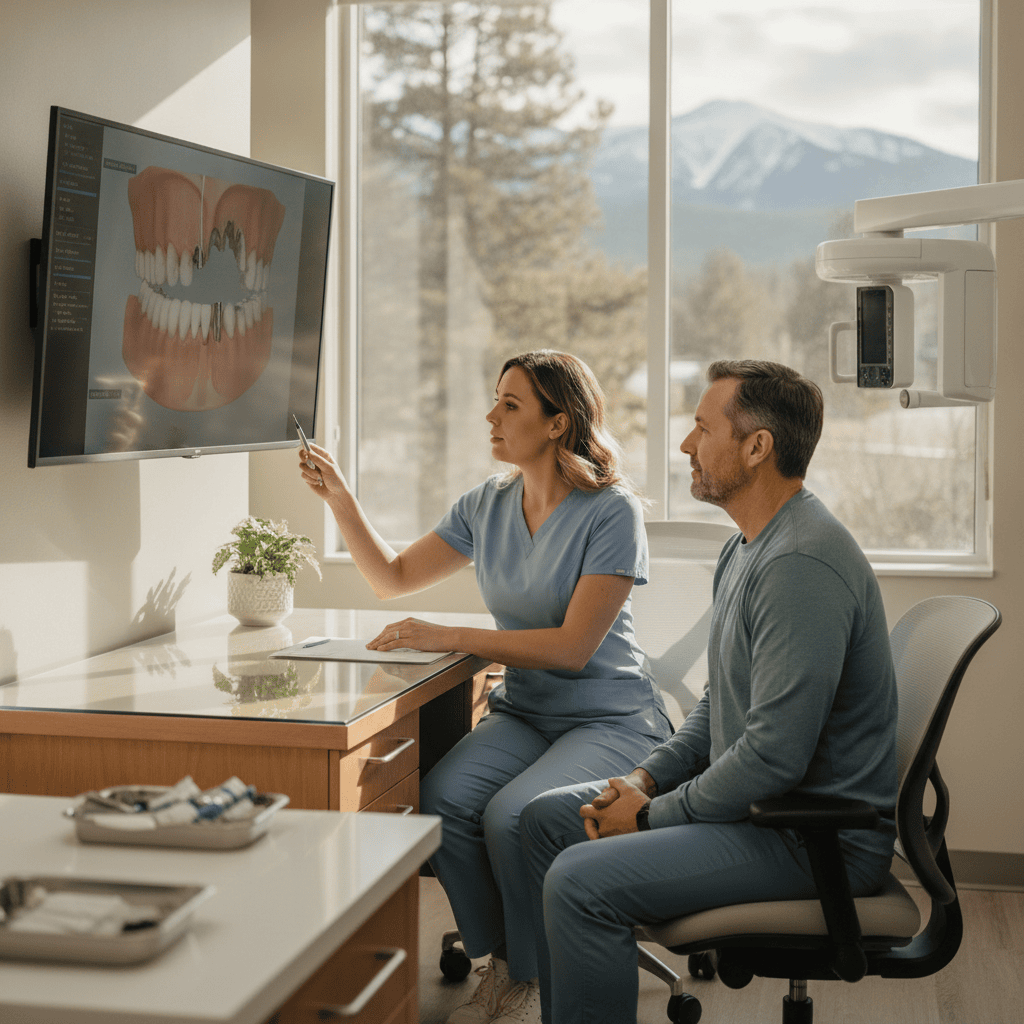
We start by looking closely at what’s going on, with an exam and imaging, so we treat the cause and not just the symptom. You’ll have time to ask questions and talk about what worries you.
Treatment Planning
Together, we build a clear plan that lays out each step, what it involves and what recovery looks like. At Big Sky Smiles and Sedation, you’ll know your options and costs before anything is scheduled.
Preparing for Your Oral Surgery
Follow your pre-surgery instructions closely. If you’re having sedation, that usually means not eating for a set time beforehand and arranging a ride home. Stock up on soft foods like yogurt, smoothies and mashed potatoes, set out ice packs, and plan a quiet day or two afterward.
What Recovery Looks Like
The First Few Days
Some swelling and soreness are normal. Use ice on and off, rest with your head raised, take medication as directed and avoid straws and smoking, which can disturb healing.
Long-Term Healing
Simple extractions often feel better within about a week. Implants take a few months while the bone bonds to the post. Following your aftercare steps makes a big difference in how smoothly that goes.
What Affects Cost and How Insurance Helps
Costs depend on the procedure, the technology used and your health needs. Big Sky Smiles and Sedation helps with insurance questions, offers financing options and explains costs clearly before treatment begins, so there are no surprises.
Why Patients Choose Big Sky Smiles and Sedation
Our practice in Missoula, MT, pairs compassionate care with technology like Yomi robotic guidance, dental lasers and IV sedation. We take time to answer every question honestly, without rushing you.
FAQs About Missoula Oral Surgery
Is oral surgery painful?
With anesthesia and sedation options, including oral conscious sedation and IV sedation, discomfort is kept to a minimum. Most people say the soreness afterward is manageable.
How long does recovery take?
It depends on the procedure. Simple extractions often heal in about a week, while implants take a few months to fully integrate.
Can I drive home after surgery?
If you have sedation, no. Plan for someone to drive you home and stay with you for a few hours.
What are the risks of oral surgery?
Like any surgery, there are risks, such as infection or slow healing. Careful planning and good aftercare keep them low.
How do I schedule a consultation?
Call Big Sky Smiles and Sedation or book through our website.
Feeling Like Yourself Again
Living with a painful or missing tooth wears you down. With the right team, getting it fixed is often much easier than you expect. Contact Big Sky Smiles and Sedation to schedule a consultation, and let us help you understand your options for Missoula oral surgery.