
If your dentures slip while you are eating dinner or you have started avoiding certain foods altogether, you do not have to live with that trade-off forever. Implant-supported dentures in Missoula give you a denture that locks onto a small number of implant posts instead of floating on your gums, so it stays put when you laugh, chew, or speak.
For patients who are not ready for a fixed, permanent option but are done with the daily frustration of a loose denture, this treatment often lands right in the middle, offering more stability than a traditional denture without the cost of replacing every tooth with its own implant.
Why Two Implants Became the New Standard
In 2002, a panel of prosthodontic researchers at McGill University reviewed decades of data on denture wearers. It reached a conclusion that reshaped how dentists treat tooth loss. They found that a two-implant denture, rather than a conventional one, should be the first treatment offered to patients missing all their lower teeth, as these patients reported significantly better chewing ability and quality of life. A follow-up review from the University of York reached the same conclusion a few years later.
At Big Sky Smiles and Sedation, Dr. Tyler J. Bond applies that same evidence-based approach, using as few as two implants in the lower jaw or four in the upper jaw to anchor a denture that will not slide.
How Implant-Supported Dentures Differ From Fixed Implant Teeth
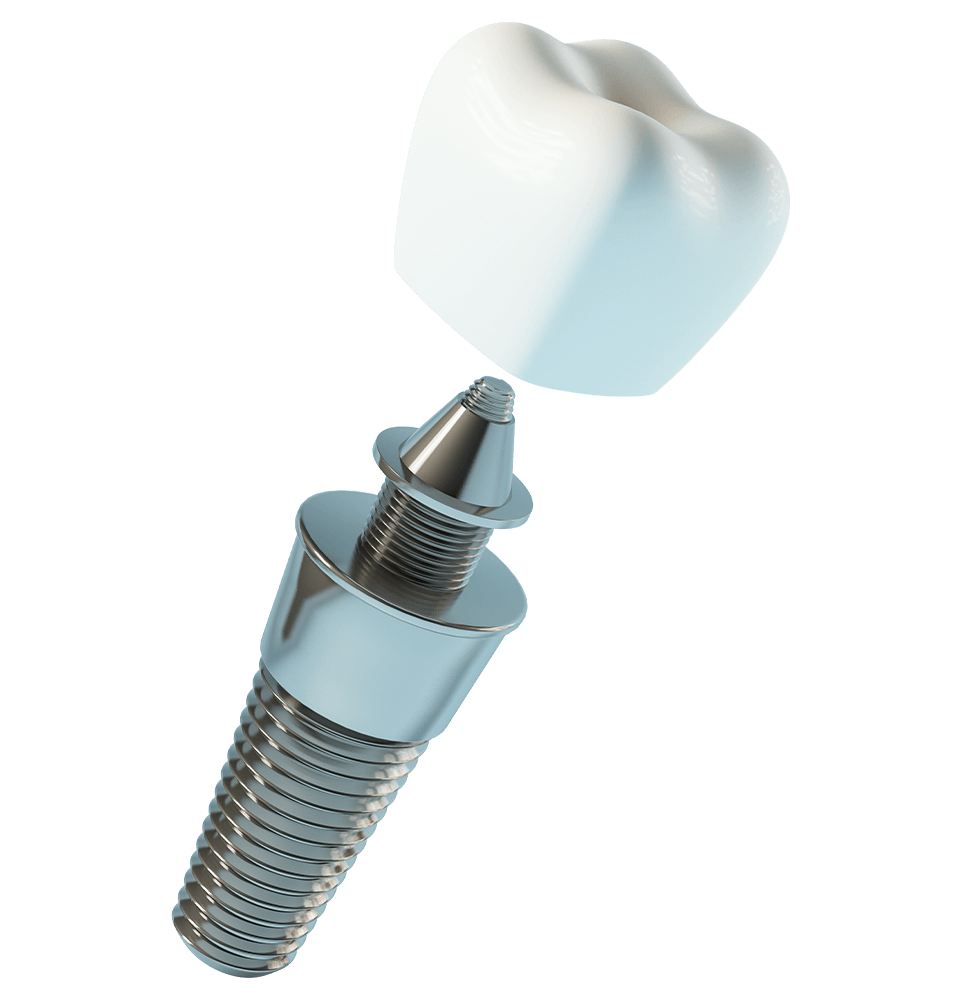
Unlike fixed full-arch implants, which are secured in place and removed only by your dentist, an implant-supported denture still comes out every night for cleaning. It simply snaps onto the implants using one of two attachment systems.
Locator, or Ball, Attachments
A small metal stud is placed on top of each implant, and a matching socket inside the denture snaps over it. This design works well when the implants are evenly spaced, and the jawbone is in good condition.
Bar-and-Clip Systems
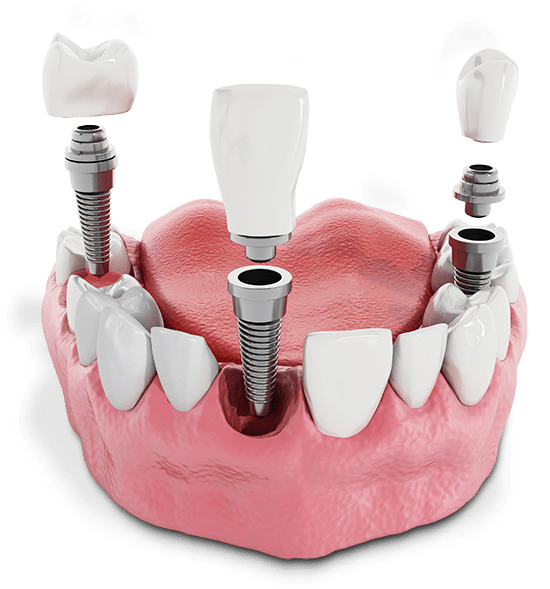
Two or more implants are connected by a single metal bar, and the denture clips onto that bar for broader, more even support. This option is often recommended when a patient has experienced significant bone loss and needs the extra stability a bar provides.
Is an Implant-Supported Denture Right for You?
Most patients considering implant-supported dentures in Missoula fall into one of two groups: people who are tired of denture adhesive, sore spots, and awkward slips, or people who want more stability than a traditional denture without the cost of a full fixed arch.
Because an overdenture typically uses fewer implants than a fixed arch, it often comes with a lower upfront cost and more flexible financing options. Dr. Bond will evaluate your jawbone density, your remaining teeth, and your daily habits before recommending whether a removable overdenture or a fixed alternative will serve you better long term.
Why Patients Choose Implant-Supported Dentures
- No more adhesive, paste, or embarrassing slips while eating or speaking
- A removable design that makes nightly cleaning simple, even for patients with limited dexterity
- Better preservation of jawbone density than a traditional denture allows
- Typically, fewer implants than a full fixed arch, which can mean a lower upfront cost
- Treatment that can often be completed in fewer office visits than a full-arch rebuild
What to Expect During Treatment at Big Sky Smiles and Sedation
Your treatment for implant-supported dentures in Missoula starts with a consultation where Dr. Bond uses the practice’s InstaRisa facial scanner to map your jaw and plan implant placement with a level of precision most Missoula offices cannot match.
Because many patients feel anxious about oral surgery, Dr. Bond is also one of the few general dentists in the area certified to administer IV sedation without bringing in an outside anesthesiologist, so that you can stay relaxed throughout the procedure. Once your implants are placed, they typically need three to six months to fuse with the jawbone before your custom denture is attached and adjusted for a secure, comfortable fit.
Caring for Your Implant-Supported Dentures
Even though your new denture snaps securely into place, you will still remove it nightly to clean both the denture and the attachment components, which helps prevent the gum irritation that comes with ill-fitting dentures. The small locator inserts or clip mechanisms wear down with daily use and generally need replacing every twelve to eighteen months, a quick in-office adjustment rather than a full remake.
Routine checkups at our patient center allow our team to catch loosening or wear early. The American Dental Association recommends the same daily cleaning routine for all types of dentures.
Frequently Asked Questions
An implant-supported denture is removable, while an All-on-X denture is fixed in place and only removed by your dentist. Fixed options cost more but require less daily maintenance.
Most patients need two to four implants in the lower jaw and four or more in the upper jaw, since the upper jawbone is generally softer. Dr. Bond will confirm the right number after reviewing your imaging.
The small locator inserts or clips inside the denture wear down with regular use and are usually replaced every twelve to eighteen months. This is a simple, affordable adjustment rather than a new denture.
Yes. Unlike a fixed implant denture, an implant-supported denture is designed to be removed for cleaning and sleeping, which many patients find more comfortable and easier to maintain.
Coverage varies by plan and provider. Our team will review your benefits and walk you through financing options, so you understand the full cost before treatment begins.
Most patients complete treatment in three to six months, depending on their bone health, healing time, and the number of implants they need.
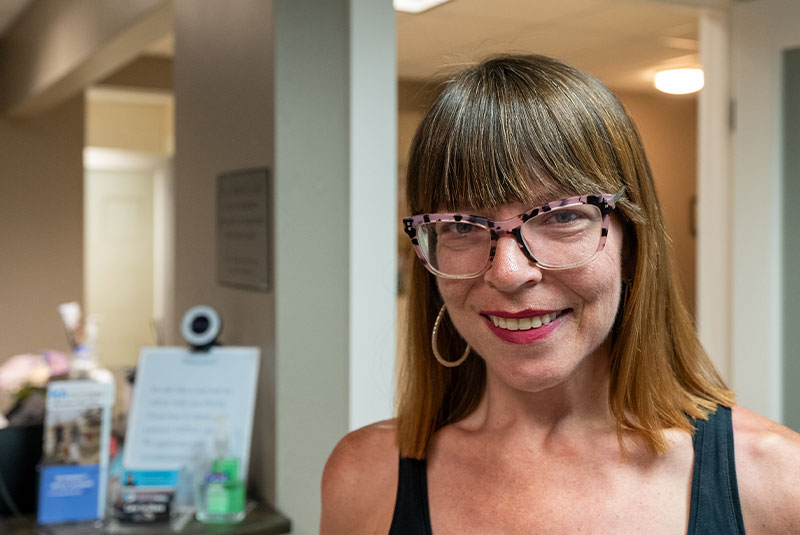
Denise - Upper Denture implant Over denture
"I Had a Feeling I Couldn’t Go to Work Everyday and Feel Respected!"
Schedule Your Implant-Supported Dentures Consultation in Missoula, MT
If loose or uncomfortable dentures are holding you back from the foods, conversations, and smiles you enjoy, you do not have to keep working around them. Big Sky Smiles and Sedation can help you find out whether implant-supported dentures in Missoula are the right fit for your smile, budget, and comfort level.
Contact us today to schedule a consultation and start eating, speaking, and smiling with confidence again.
Schedule An Appointment
I understand the information disclosed in this form may be subject to re-disclosure and may no longer be protected by HIPAA privacy regulations and the HITECH Act.

Find out if you're a
candidate for dental implants
Answer the Following Questions To Learn more about our pricing and financing options.